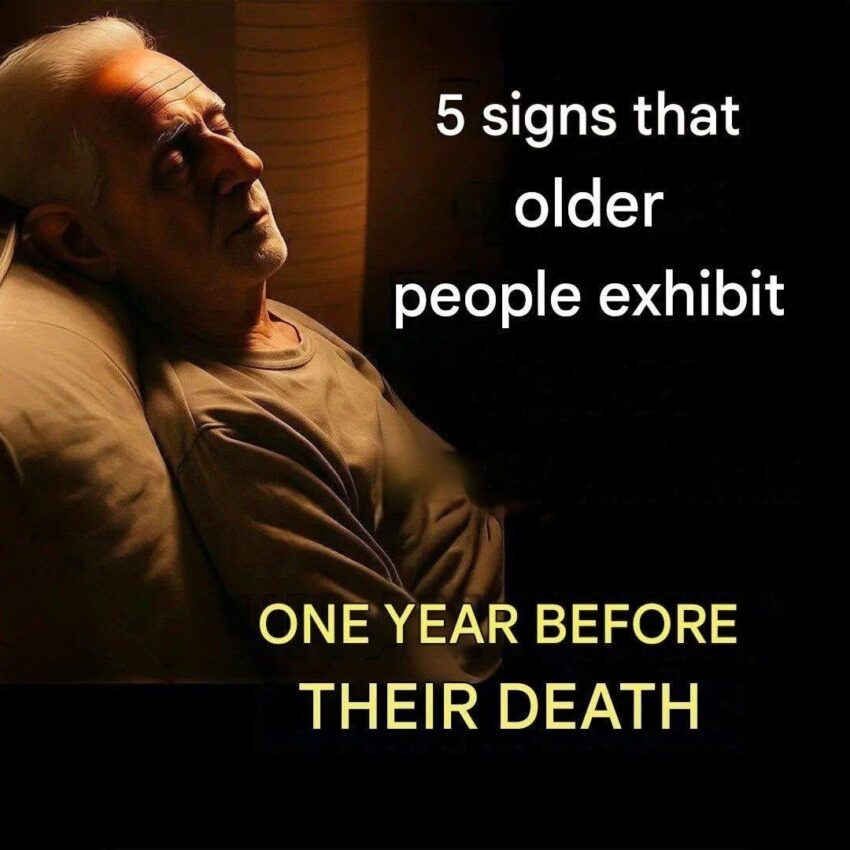
5 Signs That an Elderly Person Needs More Care and Attention Don’t Ignore These Warning Signs!
Growing older is a natural part of life, but sometimes the changes we notice in an elderly loved one are more than “just getting older.”
A forgotten appointment, an untouched meal, or a sudden change in personality may seem harmless at first. But when these changes become frequent or happen together, they can signal that an older person needs additional support.
The key is to notice the signs early—before a small problem becomes a serious one.
Here are five warning signs that deserve your attention.
1. They’re Suddenly Struggling With Everyday Tasks
One of the clearest signs that an older adult may need more help is difficulty with activities they previously handled independently.
Pay attention if they begin struggling with:
- Getting dressed or bathing
- Preparing meals
- Managing medications
- Cleaning the house
- Shopping for groceries
- Using the phone or other familiar devices
- Paying bills or handling paperwork
Everyone has an occasional difficult day. The concern is when these tasks become consistently difficult or are suddenly abandoned altogether.
A previously organized person who starts leaving bills unopened or forgetting how to operate familiar appliances may need an evaluation and additional support.
Don’t assume it’s simply old age.
Sudden or significant changes can sometimes have an underlying medical, medication-related, or emotional cause.
2. Their Home Suddenly Looks Different
The condition of someone’s home can reveal things they may not be able—or willing—to tell you.
Look for changes such as:
- Spoiled food in the refrigerator
- Empty cupboards
- Unwashed dishes piling up
- Unusual clutter
- Laundry accumulating
- Strong odors
- Stains or spills that aren’t being cleaned
- Unpaid mail accumulating
These signs don’t automatically mean someone can no longer live independently.
But they can indicate that everyday responsibilities are becoming overwhelming.
A helpful approach is to avoid criticizing the mess.
Instead of saying, “You aren’t taking care of the house anymore,” try:
“I’ve noticed things seem a little harder lately. How can I make them easier for you?”
That small change in wording can make an enormous difference.
3. They’re Falling, Becoming Unsteady, or Avoiding Movement
Falls are not something to dismiss as an unavoidable part of aging.
Pay attention if an elderly loved one:
- Holds onto furniture while walking
- Has become noticeably unsteady
- Trips frequently
- Has unexplained bruises
- Has fallen recently
- Avoids stairs
- Stops going outside because they’re afraid of falling
- Suddenly needs help getting up from a chair
Even if they insist they’re fine, a noticeable change in balance or mobility deserves attention.
Sometimes the biggest warning sign isn’t a fall itself.
It’s fear of falling.
An older person may gradually stop walking, shopping, visiting friends, or participating in activities because they don’t feel safe.
That loss of mobility can contribute to further weakness and isolation.
4. Their Eating, Hygiene, or Appearance Changes
Changes in personal care can be easy to overlook, especially if you don’t see your loved one every day.
Watch for:
- Significant weight changes
- Skipping meals
- Eating spoiled or expired food
- Wearing the same clothes repeatedly
- Unwashed hair or clothing
- Neglecting dental care
- Forgetting to shower or change clothes
- Suddenly appearing unusually tired or weak
There can be many explanations.
Perhaps cooking has become difficult.
Maybe arthritis makes dressing painful.
Maybe depression has reduced their appetite.
Maybe they’re struggling with memory.
Or perhaps they’re simply overwhelmed.
The important thing is not to embarrass them.
Approach the issue with dignity and curiosity.
“I’ve noticed you’re not eating as much lately. Is something making meals difficult?”
That question can open a much more productive conversation than criticism.
5. They Become Increasingly Confused, Withdrawn, or Different
One of the most important warning signs is a significant change in behavior.
You may notice that your loved one:
- Gets confused about familiar places
- Repeats the same questions frequently
- Misses appointments
- Becomes unusually suspicious
- Has sudden mood changes
- Withdraws from friends and family
- Seems anxious or unusually fearful
- Forgets important responsibilities
- Has difficulty following familiar routines
Don’t automatically assume these changes mean dementia.
Confusion can have many possible causes, including infections, medication effects, dehydration, sleep problems, depression, or other medical conditions.
A sudden change in mental status deserves prompt medical attention.
If confusion appears suddenly or is accompanied by severe symptoms such as weakness, difficulty speaking, chest pain, trouble breathing, or loss of consciousness, seek emergency medical help.
What Should You Do If You Notice These Signs?
The first step isn’t necessarily hiring a caregiver or moving your loved one into a facility.
Start with a conversation.
Choose a calm moment.
Listen more than you speak.
Ask what they are finding difficult.
Then consider what kind of support would actually make life easier.
That might include:
- Family members checking in more often
- Help with groceries or meals
- Transportation assistance
- Housekeeping support
- Medication organization
- A medical evaluation
- Physical or occupational therapy
- Adult day programs
- In-home care
- More frequent contact with friends or neighbors
Most importantly, involve the older person in the decisions whenever possible.
Needing some help doesn’t mean losing independence.
In many cases, the right support can actually help an older adult remain independent for longer.
Don’t Wait for a Crisis
The most difficult conversations are often the ones families postpone.
“We’ll deal with it later.”
“Mom is just getting older.”
“Dad has always been forgetful.”
“It’s probably nothing.”
Sometimes it is nothing.
But sometimes these small changes are the first visible signs that someone needs help.
You don’t have to panic.
You don’t have to take away their independence.
You simply need to pay attention.
Because when it comes to an elderly loved one’s safety and well-being, early support can make a tremendous difference.
And sometimes, the most loving thing you can do is notice what everyone else is trying not to see.