Why You Should Eat Chia Seeds Every Day—and How to Use Them
Tiny, mild-tasting, and easy to add to almost any meal, chia seeds have become a popular addition to healthy diets. They are packed with fiber, plant-based omega-3 fat, protein, calcium, phosphorus, and other nutrients. (The Nutrition Source)
But despite their “superfood” reputation, chia seeds aren’t a magic cure-all. Their biggest advantage is that they can make an already healthy diet more nutritious and higher in fiber.
1. They’re an Excellent Source of Fiber
One ounce (about 28 grams, or roughly 2 tablespoons) of chia seeds provides around 10–11 grams of fiber. (The Nutrition Source)
Fiber supports healthy digestion and can help you feel fuller after eating. Because chia contains both insoluble fiber and gel-forming soluble fiber, it can be a useful way to increase your overall fiber intake.
If you’re not accustomed to eating much fiber, start with a smaller amount and increase gradually. A sudden increase can cause gas or bloating. (Mayo Clinic)
2. They Provide Plant-Based Omega-3 Fats
Chia seeds are particularly rich in alpha-linolenic acid (ALA), a plant-based omega-3 fatty acid. (The Nutrition Source)
Omega-3 fats are an important part of a balanced diet. However, it’s important not to overstate the evidence: eating chia seeds by themselves hasn’t been proven to prevent or treat heart disease or other chronic conditions.
Think of chia as one nutritious food among many, rather than a miracle ingredient.
3. They Add Some Protein and Minerals
Two tablespoons provide approximately 4 grams of protein, along with minerals including calcium, phosphorus, and zinc. (The Nutrition Source)
Chia also contains all nine essential amino acids, making it a complete plant protein, although it shouldn’t be your only protein source. (Mayo Clinic News Network)
4. They Can Make Meals More Filling
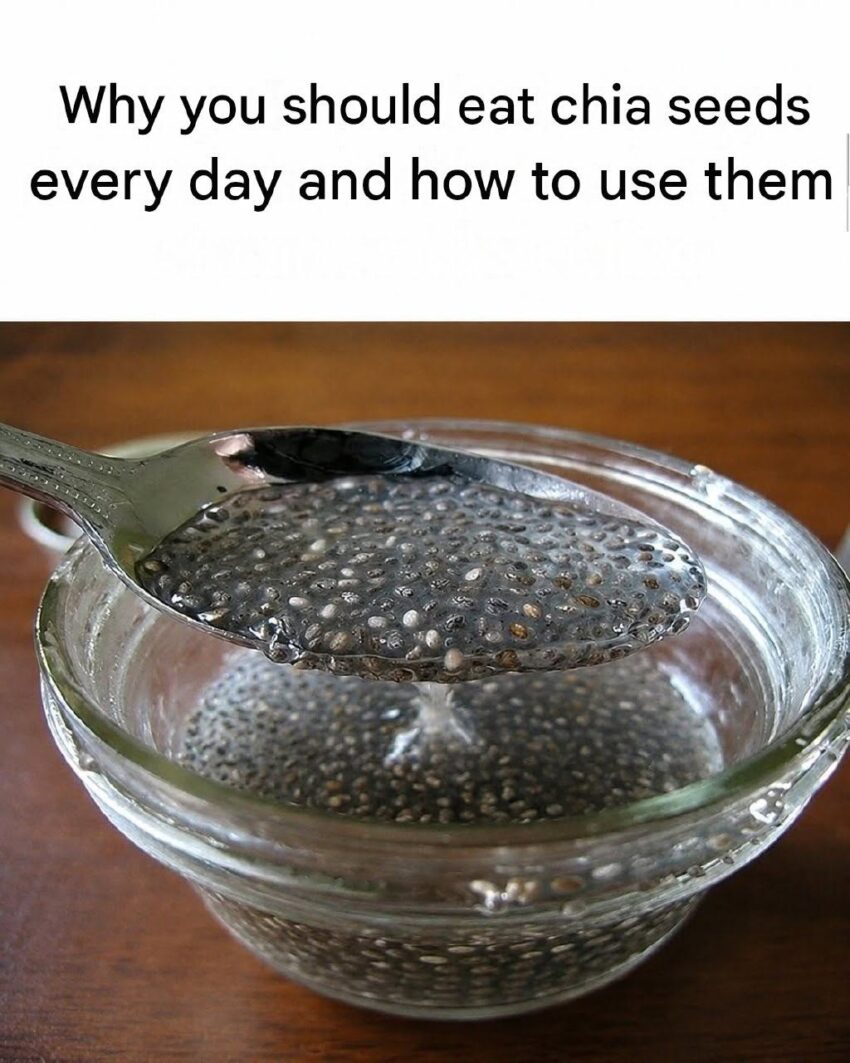
Because chia seeds contain a lot of fiber and absorb liquid, they develop a gel-like consistency when soaked.
Adding them to yogurt, oatmeal, or a smoothie can create a more satisfying meal without requiring complicated recipes.
How Many Chia Seeds Should You Eat?
There’s no requirement that everyone eat chia seeds every day.
A practical starting point is 1 tablespoon per day, increasing to 1–2 tablespoons if you tolerate them well. Mayo Clinic sources commonly suggest adding a tablespoon or two to foods such as cereal, yogurt, salads, or smoothies. (Mayo Clinic Connect)
Remember that 2 tablespoons contain about 140 calories, so chia should complement your diet rather than simply being added on top of everything else. (The Nutrition Source)
Easy Ways to Use Chia Seeds
Add Them to Oatmeal
Stir a tablespoon into cooked oatmeal. Add berries, banana, cinnamon, or nuts for a simple breakfast.
Mix Them Into Yogurt
Add chia seeds to plain or low-sugar yogurt and top with fresh fruit.
Blend Them Into a Smoothie
Add a tablespoon to your favorite smoothie. Chia has a relatively mild flavor and can thicken the drink as it absorbs liquid. (Mayo Clinic News Network)
Make Chia Pudding
Mix chia seeds with milk or a suitable milk alternative and refrigerate until the mixture thickens. Harvard’s Nutrition Source suggests allowing the mixture to sit for at least 15 minutes. (The Nutrition Source)
Sprinkle Them on Salads
A tablespoon can add texture, fiber, and healthy fats to a salad.
Make Chia Gel
Chia can be mixed with liquid to create a gel that can then be incorporated into smoothies, puddings, or other foods. (The Nutrition Source)
Important: Don’t Swallow Large Amounts of Dry Chia Seeds
This is an important safety point.
Chia seeds absorb liquid and can swell considerably. There has been a reported case of dry chia seeds causing an esophageal blockage after they were swallowed and followed by water. People with difficulty swallowing should be particularly careful. (The Nutrition Source)
A safer approach is to mix chia into a moist food or soak it in liquid before eating.
Who Should Be Careful?
If you have a swallowing disorder, certain digestive conditions, or have been instructed to follow a restricted diet because of a medical condition, ask your healthcare professional before substantially increasing your chia intake.
Also remember that chia seeds are not a substitute for medication or treatment.
The Bottom Line
Chia seeds are small, but they’re nutritionally impressive. They provide plenty of fiber along with plant-based omega-3 fat, protein, and minerals.
You don’t need to eat them every day, but adding 1–2 tablespoons to a balanced diet can be an easy way to increase your intake of nutritious plant foods.
Try them in oatmeal, yogurt, smoothies, salads, or chia pudding—and remember to consume them with enough moisture.
The goal isn’t to find one “superfood.” It’s to build a healthy eating pattern filled with a variety of nutritious foods.
This article is for general educational purposes and isn’t a substitute for personalized medical advice.