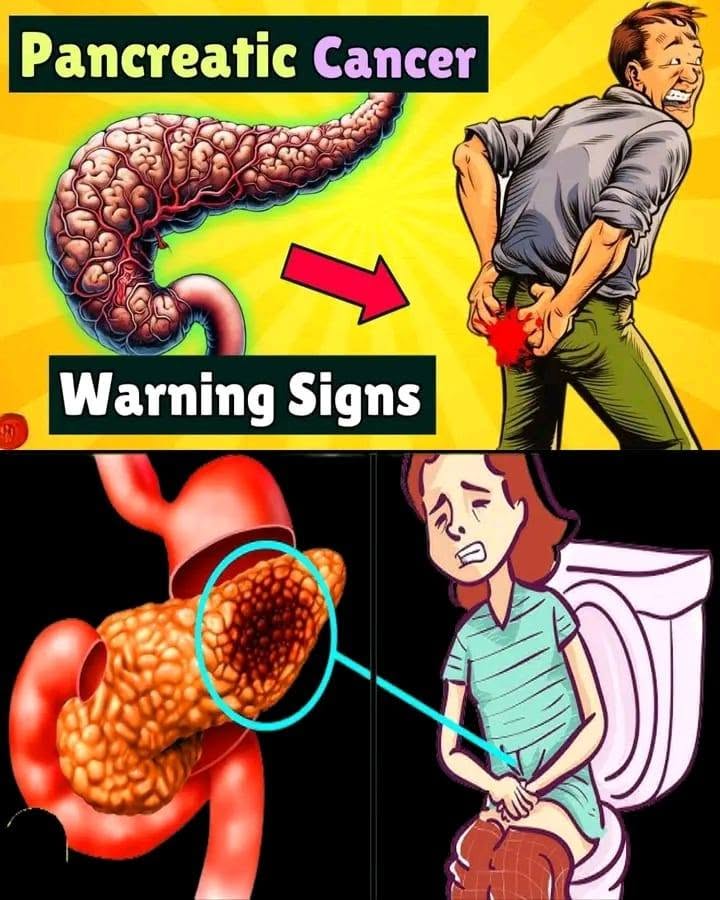
15 Silent Signs of Pancreatic Cancer You Need to Know
Pancreatic cancer can be difficult to detect in its early stages because it may cause few or no noticeable symptoms. When symptoms do appear, they can resemble common digestive problems, making them easy to overlook. The good news is that recognizing persistent or unusual changes can help you know when it is time to seek medical advice.
Important: Having one or more of these symptoms does not mean you have pancreatic cancer. Many of them are much more commonly caused by conditions such as gallstones, pancreatitis, ulcers, digestive disorders, or diabetes. A healthcare professional is needed to determine the cause.
What Is Pancreatic Cancer?
The pancreas is a gland located in the upper abdomen, behind the stomach. It produces digestive enzymes and hormones such as insulin that help regulate blood sugar. The most common pancreatic cancer is pancreatic ductal adenocarcinoma (PDAC), which develops in cells lining the pancreatic ducts.
One reason pancreatic cancer can be challenging to diagnose is that early disease may cause no obvious symptoms, and symptoms that do occur can be nonspecific.
15 Possible Signs of Pancreatic Cancer
1. Yellowing of the Skin or Eyes
Jaundice is one of the more recognizable signs associated with pancreatic cancer. The skin or whites of the eyes may become yellow when a tumor interferes with the flow of bile.
Jaundice deserves medical attention, particularly when it develops without an obvious explanation.
2. Dark-Colored Urine
Urine that becomes noticeably darker than usual can occur when bilirubin builds up in the bloodstream.
Dark urine can have many causes, including dehydration and liver or bile-duct problems, so it should not automatically be attributed to cancer. However, dark urine together with jaundice or pale stools should be evaluated promptly.
3. Pale or Light-Colored Stools
Changes in bowel movements can occur when bile is not reaching the intestine normally.
Pancreatic cancer can be associated with light-colored stools, particularly when a tumor blocks the bile duct.
4. Itchy Skin
Persistent, unexplained itching can accompany jaundice. When bile flow is obstructed, substances that normally leave the body through bile can accumulate and contribute to itching.
Although itching has many possible causes, unexplained itching occurring alongside yellow skin or eyes warrants medical assessment.
5. Upper Abdominal Pain
Some people with pancreatic cancer develop pain or discomfort in the upper or middle abdomen.
The pain may be persistent or may come and go. Because abdominal pain is extremely common and has many possible causes, the symptom by itself does not indicate pancreatic cancer.
6. Pain That Spreads to the Back
Pancreatic tumors can cause abdominal pain that radiates toward the back.
Unexplained or persistent abdominal and back pain deserves attention, especially when it occurs together with weight loss, jaundice, appetite changes, or digestive symptoms.
7. Unexplained Weight Loss
Losing weight without deliberately changing your diet or activity level can be a warning sign of many illnesses, including cancer.
Pancreatic cancer is particularly associated with unexplained weight loss and loss of appetite.
8. Loss of Appetite or Feeling Full Quickly
A noticeable reduction in appetite can occur with pancreatic cancer.
Some people may also feel full after eating only a small amount. These changes can result from many digestive or systemic conditions, but persistent appetite changes should be discussed with a healthcare professional.
9. Nausea or Vomiting
Pancreatic cancer may sometimes cause nausea or vomiting, particularly when a tumor affects nearby digestive structures.
However, these symptoms are extremely common and are much more often caused by other conditions. Persistent or worsening vomiting should be evaluated rather than ignored.
10. Bloating, Gas, or Indigestion
Digestive changes such as bloating, gas, indigestion, or abdominal discomfort can occur with pancreatic disorders, including pancreatic cancer.
These symptoms are not specific to cancer and are commonly caused by less serious gastrointestinal conditions. The key concern is a persistent or unexplained change, particularly when several symptoms occur together.
11. Changes in Bowel Movements
Pancreatic problems can affect digestion and lead to changes in bowel habits.
Some people may experience diarrhea, constipation, bloating, or unusually greasy/fatty stools. Difficulty digesting fats can occur when the pancreas does not provide enough digestive enzymes.
12. Fatty, Floating, or Foul-Smelling Stools
Stools that repeatedly appear greasy, oily, unusually foul-smelling, or difficult to flush can sometimes indicate problems digesting fat.
This may happen when pancreatic digestive enzymes are insufficient. It does not mean cancer is present, but persistent changes should be investigated.
13. Unusual Tiredness or Weakness
Persistent fatigue or weakness can accompany pancreatic cancer.
Fatigue is a nonspecific symptom and can result from anemia, infections, sleep problems, nutritional deficiencies, stress, and numerous other conditions. Still, unexplained fatigue that persists or occurs with other warning signs should be discussed with a doctor.
14. New-Onset Diabetes or Diabetes That Becomes Harder to Control
A new diagnosis of diabetes, particularly in an older adult without typical risk factors, can sometimes be associated with pancreatic cancer.
Researchers have also studied the combination of new-onset diabetes and unexpected weight loss as a potential clue for identifying people who may warrant further evaluation. However, most people with new-onset diabetes do not have pancreatic cancer.
15. Unexplained Blood Clots
Pancreatic cancer can be associated with an increased tendency to form blood clots.
A painful, swollen arm or leg can sometimes indicate a clot, although there are many other causes. Sudden shortness of breath, chest pain, coughing up blood, or fainting can indicate a potentially life-threatening clot and requires emergency medical attention.
Why Pancreatic Cancer Can Be Hard to Recognize
The pancreas is located deep inside the abdomen, and pancreatic cancer often produces few noticeable symptoms during its early stages. When symptoms appear, they can look like common digestive problems.
For example, abdominal discomfort may be attributed to indigestion, while back pain may be blamed on muscles or the spine. This is one reason pancreatic cancer is often diagnosed later than many other cancers.
That does not mean every episode of indigestion or back pain requires a cancer investigation. Instead, pay attention to symptoms that are:
- Persistent or progressively worsening
- Unexplained
- Accompanied by unintended weight loss
- Associated with jaundice
- Accompanied by changes in urine or stool
- Associated with new or suddenly difficult-to-control diabetes
- Occurring in combination with several other symptoms
When Should You See a Doctor?
Make an appointment with a healthcare professional if you develop persistent or unexplained symptoms, particularly unintentional weight loss, ongoing abdominal or back pain, jaundice, persistent digestive changes, or unexplained changes in blood sugar.
Seek urgent medical attention for:
- New yellowing of the skin or eyes accompanied by feeling very unwell
- Severe or rapidly worsening abdominal pain
- Persistent vomiting with inability to keep fluids down
- Vomiting blood or passing black/bloody stools
- Sudden chest pain or difficulty breathing
- A suddenly swollen, painful arm or leg
These symptoms can have causes other than pancreatic cancer, but some require prompt treatment.
How Is Pancreatic Cancer Diagnosed?
Symptoms alone cannot diagnose pancreatic cancer.
If a doctor suspects a problem with the pancreas, they may recommend medical history and examination followed by appropriate tests. Depending on the circumstances, evaluation can include blood tests and imaging such as CT, MRI, ultrasound, or endoscopic ultrasound. In some situations, a biopsy is used to examine tissue for cancer cells.
A blood test for the tumor marker CA 19-9 may also be used in certain circumstances, particularly after pancreatic cancer is suspected. However, CA 19-9 by itself cannot confirm or rule out pancreatic cancer.
Can Pancreatic Cancer Be Prevented?
There is no guaranteed way to prevent pancreatic cancer. However, some factors associated with increased risk can be addressed.
Known or suspected risk factors include smoking, chronic pancreatitis, certain inherited genetic conditions, family history, type 2 diabetes, and excess body weight.
Not everyone with these risk factors will develop pancreatic cancer, and pancreatic cancer can also occur in people without obvious risk factors.
Final Takeaway
Pancreatic cancer can be difficult to identify early because it may cause no symptoms at first, and its symptoms can overlap with many common conditions.
The most important warning signs to remember include:
Jaundice • dark urine • pale stools • persistent itching • abdominal pain • back pain • unexplained weight loss • appetite loss • nausea/vomiting • digestive changes • fatty stools • fatigue • new-onset or difficult-to-control diabetes • blood clots
None of these symptoms automatically means pancreatic cancer. But persistent, unexplained, or multiple symptoms should not be ignored. Getting evaluated can identify the actual cause and, if cancer is present, help begin appropriate care.
Medical Disclaimer
This article is for general educational purposes only and is not a substitute for professional medical advice, diagnosis, or treatment. Symptoms of pancreatic cancer overlap with many other conditions. If you are concerned about symptoms or your health, speak with a qualified healthcare professional.