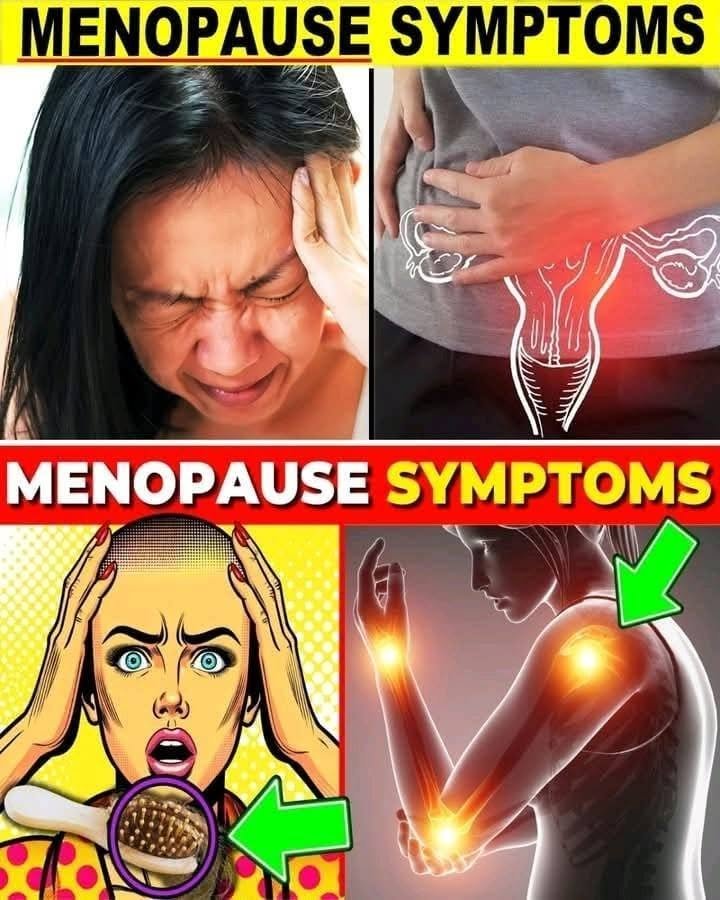
9 Signs You’re Actually Going Through Menopause
Menopause is a natural stage of life, but the changes leading up to it can sometimes feel confusing. You might suddenly wake up sweating, notice your periods becoming irregular, struggle to sleep, or feel different emotionally without understanding why.
For many women, these changes begin during perimenopause, the transition that happens before menopause. Symptoms can develop gradually and vary considerably from person to person.
But how can you tell whether your body is going through this transition?
Here are nine common signs of menopause, what they may mean, and when you should consider speaking with a healthcare professional.
1. Your Periods Become Irregular
One of the earliest signs of perimenopause is a change in your menstrual cycle.
Your periods may become:
- More frequent or less frequent
- Lighter or heavier than usual
- Shorter or longer
- Unpredictable from month to month
These changes occur as hormone levels fluctuate and ovulation becomes less regular.
However, irregular bleeding can also have other causes, including pregnancy, thyroid conditions, fibroids, and other gynecological problems.
Important: Very heavy bleeding, bleeding between periods, or bleeding after sex should be assessed by a healthcare professional. Any vaginal bleeding after menopause requires medical evaluation.
2. You Experience Hot Flashes
Hot flashes are among the best-known symptoms of the menopause transition.
You may suddenly feel intense warmth spreading across your face, neck, or chest. Your skin may become flushed, and you might sweat or feel your heart beating faster.
Episodes can last from seconds to several minutes and may occur during the day or at night.
Some women experience only occasional hot flashes, while others have them frequently enough to interfere with everyday activities.
Wearing layers, keeping your bedroom cool, and identifying personal triggers—such as alcohol, spicy foods, or hot environments—may help.
If hot flashes are severe or disruptive, a healthcare professional can discuss treatment options.
3. You Wake Up Sweating at Night
Night sweats are hot flashes that occur during sleep. You might wake up feeling overheated, damp, or uncomfortable, sometimes needing to change your clothes or bedding.
Repeated night sweats can interrupt sleep and leave you tired the following day.
Although night sweats may be associated with perimenopause or menopause, they can also result from medication side effects, infections, thyroid problems, or other medical conditions.
If they are persistent, unusually severe, or accompanied by fever or unexplained weight loss, seek medical advice rather than assuming hormones are responsible.
4. Your Sleep Becomes More Difficult
Perhaps you used to fall asleep easily, but now you find yourself awake for hours or waking several times during the night.
Sleep disturbances can occur during the menopause transition because of night sweats, hormonal changes, stress, and other age-related factors.
Poor sleep may leave you feeling exhausted, irritable, or unable to concentrate.
You may find it helpful to maintain a consistent sleep schedule, keep your bedroom cool, reduce late-day caffeine, and limit screen use before bed.
If sleep problems continue, ask a healthcare professional about possible causes and appropriate treatment.
5. Your Mood Feels Different
Some women experience increased irritability, anxiety, or low mood during perimenopause.
You might feel more emotionally sensitive than usual, become frustrated more easily, or find that everyday stresses feel harder to manage.
Hormonal changes may contribute, but sleep deprivation, personal circumstances, and mental health conditions can also affect mood.
Feeling emotional does not mean you are weak, and it does not automatically mean you are going through menopause.
If low mood or anxiety persists, affects daily life, or becomes difficult to manage, professional support can help. Seek urgent help if you have thoughts of harming yourself.
6. You Notice Brain Fog or Difficulty Concentrating
Some women describe a feeling of mental fog during the menopause transition.
You may occasionally forget a word, lose track of a task, or find it harder to concentrate when you are tired.
Sleep disruption, stress, and hormonal changes may contribute to these experiences. However, memory problems can have many causes, so they should not automatically be attributed to menopause.
Maintaining regular sleep, staying physically active, organizing tasks, and taking breaks may help.
If memory changes are persistent, worsening, or interfering with everyday activities, speak with a healthcare professional.
7. Vaginal Dryness or Discomfort Develops
As estrogen levels decline, vaginal and urinary tissues can become thinner, drier, and less elastic.
You may notice:
- Vaginal dryness or itching
- Discomfort during sexual activity
- Burning or irritation
- Urinary urgency or increased frequency
- Recurrent urinary tract infections
These symptoms can occur during perimenopause and become more common after menopause.
Vaginal moisturizers and water- or silicone-based lubricants may provide relief. Low-dose vaginal estrogen and other treatments may be appropriate for some women after an individualized medical discussion.
You do not have to tolerate persistent discomfort simply because it is associated with aging.
8. Your Body Composition or Weight Changes
Some women notice changes in body fat distribution during midlife, particularly an increase in abdominal fat.
Hormonal changes may play a role, but aging, reduced muscle mass, sleep problems, stress, activity levels, and dietary habits also influence weight and body composition.
These changes do not confirm menopause on their own.
Regular movement, strength-building exercises suited to your abilities, balanced meals, and adequate sleep can support long-term health.
Rather than focusing only on the number on the scale, it may be more useful to consider strength, energy, cardiovascular health, and overall well-being.
9. Your Periods Eventually Stop
Menopause is officially reached when you have gone 12 consecutive months without a menstrual period, provided there is no other explanation for the absence of bleeding.
For many women, natural menopause occurs between ages 45 and 55, although the timing varies.
The period leading up to menopause can last several years, and symptoms may continue after the final menstrual period.
If menopause symptoms begin before age 45, discuss them with a healthcare professional. Menopause before age 40 requires medical assessment because it can have important implications for bone and cardiovascular health.
If you are using hormonal contraception or hormone therapy, bleeding patterns may not reliably show whether menopause has occurred.
How Can You Tell Whether It’s Really Menopause?
Symptoms alone cannot always confirm the cause. In otherwise healthy women aged 45 and older, clinicians can often identify perimenopause or menopause based on symptoms and menstrual history without routine hormone testing.
Testing may be appropriate in certain situations, particularly when symptoms begin at a younger age or the diagnosis is uncertain.
Other conditions, including thyroid disorders, anemia, pregnancy, and medication effects, can sometimes cause similar symptoms.
When Should You Seek Medical Advice?
Consider arranging an appointment if symptoms are disrupting your sleep, work, relationships, or quality of life.
Seek prompt assessment for unusually heavy bleeding, bleeding between periods, or bleeding after sex. Any bleeding after menopause should be evaluated, even if it happens only once.
There are effective options for managing many menopause symptoms, including lifestyle changes, hormone therapy for appropriate candidates, and nonhormonal treatments. The right choice depends on your symptoms, medical history, preferences, and individual risks.
Final Thoughts
Menopause is not an illness. It is a natural biological transition, although its symptoms can be challenging for some women.
Irregular periods, hot flashes, night sweats, sleep problems, mood changes, and vaginal dryness are among the common signs. Yet not every woman experiences all of them, and other medical conditions can cause similar symptoms.
The most important step is to listen to your body without assuming that every new symptom is caused by hormones.
With accurate information and the right support, you can make informed decisions about your health and find ways to feel more comfortable through this stage of life.
This article is for educational purposes only and does not replace personalized medical advice.