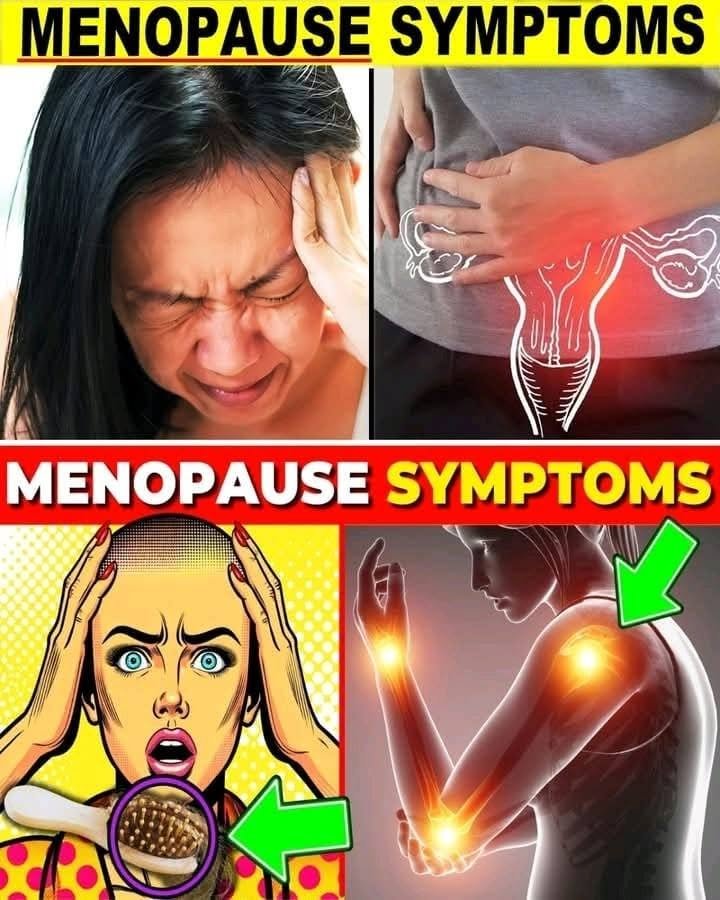
9 Signs You’re Actually Going Through Menopause!
Menopause is a natural stage of life that every woman experiences as her reproductive hormones change. For some women, the transition happens gradually, while others notice sudden changes in their sleep, mood, body temperature, or menstrual cycle.
But how do you know whether your symptoms are related to menopause or something else?
Menopause most commonly occurs between ages 45 and 55. It is officially reached after 12 consecutive months without a menstrual period, provided there is no other explanation for the absence of periods. The years leading up to menopause are called perimenopause, when hormone levels fluctuate and symptoms may begin.
Here are nine common signs that may indicate you are going through the menopause transition.
1. Your Periods Become Irregular
One of the earliest signs of perimenopause is a change in your menstrual cycle.
Your periods may arrive earlier or later than expected. You might skip a month, experience lighter bleeding, or notice that your periods become heavier or last longer than they used to.
These changes happen because estrogen and progesterone levels fluctuate as ovarian function changes.
When to seek medical advice: Very heavy bleeding, bleeding between periods, or any bleeding after menopause should be evaluated by a healthcare professional. Do not automatically attribute unusual bleeding to menopause.
2. You Experience Hot Flashes
Have you ever suddenly felt an intense wave of heat spread across your face, neck, or chest, even when the room is cool?
Hot flashes are among the most recognized symptoms of menopause. They may cause sweating, flushed skin, a rapid heartbeat, or an uncomfortable feeling of warmth.
Some women experience only occasional episodes, while others have them several times a day.
Wearing breathable clothing, keeping your bedroom cool, and identifying personal triggers may help manage symptoms. Effective medical treatments are also available if hot flashes interfere with daily life.
3. Night Sweats Disrupt Your Sleep
Night sweats are hot flashes that occur during sleep. You may wake up feeling overheated, sweaty, or uncomfortable enough to change your clothes or bedding.
Repeated episodes can interrupt sleep and leave you feeling exhausted the following morning.
Keeping your bedroom cool, using lightweight bedding, and maintaining a regular sleep schedule ma