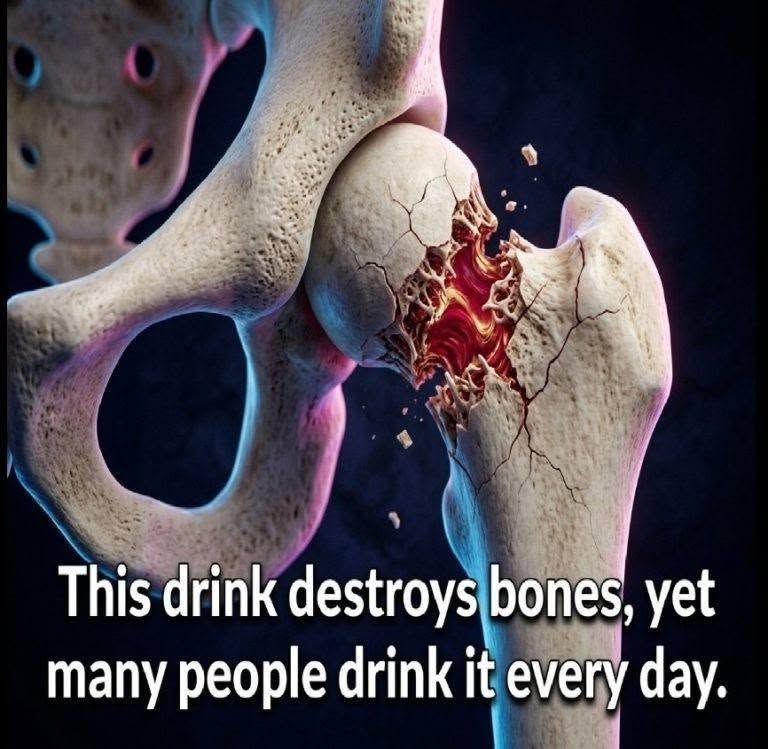
The 5 Drinks That May Be Hardest on Your Bones, According to Health Experts
Your bones may feel solid and permanent, but they are living tissue that is constantly being broken down and rebuilt.
As we age, maintaining strong bones becomes increasingly important. Getting enough calcium and vitamin D, staying physically active, and avoiding smoking are all well-established ways to support bone health. But what you drink matters, too.
Some beverages can become a problem when consumed frequently or in large amounts—particularly drinks that contain alcohol, high amounts of caffeine, or large amounts of added sugar.
Here are five types of drinks worth limiting if you want to protect your bones.
1. Heavy Alcoholic Drinks
Alcohol is one of the clearest beverage-related concerns for bone health.
Heavy alcohol consumption has been associated with bone loss and a higher risk of osteoporosis and fractures. Researchers believe several factors may contribute, including poorer nutrition, reduced calcium and vitamin D status, and the increased risk of falls associated with intoxication.
A meta-analysis involving hundreds of thousands of people found that higher alcohol consumption was associated with a greater risk of osteoporotic hip fractures.
That doesn’t mean an occasional drink automatically damages your bones. The concern is particularly with regular, heavy drinking.
Better choice: Keep alcohol moderate or avoid it altogether, especially if you already have osteoporosis or other fracture risk factors.
2. Cola and Other Caffeinated Soft Drinks
Cola has received particular attention when it comes to bone health.
The Bone Health & Osteoporosis Foundation notes that some studies have linked cola consumption with bone loss. The concern isn’t the carbonation itself. Instead, caffeine and phosphoric acid commonly found in cola have been proposed as possible contributors.
Importantly, carbonation itself has not been shown to damage bones. So sparkling water shouldn’t be confused with sugary cola.
Another issue is what soda replaces. If someone regularly chooses soda instead of milk or another calcium-rich beverage, they may simply be getting less calcium in their diet.
Better choice: Choose water, milk, or calcium-fortified beverages more often than cola.
3. Highly Caffeinated Drinks
Coffee and other caffeinated beverages aren’t automatically bad for your bones.
In moderate amounts, coffee can fit into a healthy diet. However, caffeine can slightly reduce calcium absorption and increase calcium loss through urine. The Bone Health & Osteoporosis Foundation says drinking more than about three cups of coffee daily may interfere with calcium absorption and contribute to bone loss.
The bigger concern is often excessive intake—especially when large amounts of caffeine replace nutritious drinks and meals.
Better choice: Enjoy coffee or tea in moderation and make sure you’re getting enough calcium from your overall diet.
Interestingly, recent research has found that tea consumption may actually be associated with a lower risk of osteoporosis, while evidence regarding coffee remains mixed.
4. Sugary Soft Drinks
Regular soda is loaded with added sugar but provides little nutritional value.
Drinking sugary beverages frequently can contribute to an overall diet that is lower in nutrient-rich foods and drinks. Recent research has linked sugar-sweetened beverages with several adverse health outcomes, although the evidence specifically connecting them to osteoporosis is less definitive than the evidence concerning heavy alcohol consumption.
This distinction matters: it would be misleading to say that every sugary drink directly “leaches calcium from your bones.”
Instead, think about the bigger dietary pattern.
If soda is replacing milk, fortified beverages, or nutritious foods that provide calcium, protein, and other important nutrients, your bones may be missing out.
Better choice: Make water your everyday drink and choose calcium-rich beverages when appropriate.
5. Energy Drinks With High Caffeine
Energy drinks can combine several ingredients that aren’t ideal when consumed excessively—including substantial amounts of caffeine and added sugar.
The bone-health concern is primarily related to high caffeine intake and dietary displacement, rather than the fact that a beverage is labeled an “energy drink.”
For people who already consume coffee, tea, cola, or other caffeinated beverages, adding energy drinks can push total caffeine intake considerably higher.
Better choice: Check the caffeine and sugar content before drinking them, and avoid making highly caffeinated beverages an everyday habit.
What Should You Drink Instead?
Protecting your bones doesn’t require giving up every enjoyable beverage.
The goal is to make bone-friendly choices most of the time.
Good options include:
- Water for everyday hydration
- Milk for calcium and protein
- Calcium-fortified plant milks when appropriately fortified
- Fortified juices in moderation
- Unsweetened tea
- Coffee in moderation, especially when your overall diet provides enough calcium
The Bone Health & Osteoporosis Foundation emphasizes getting adequate calcium and vitamin D, exercising regularly, and limiting alcohol as important parts of maintaining strong bones.
For most adults under 50, the foundation recommends about 1,000 mg of calcium per day. Women 50 and older generally need 1,200 mg, while men 71 and older need 1,200 mg.
The Bottom Line
There isn’t one magic drink that will make your bones weak overnight.
The bigger issue is what you drink regularly and in what quantities.
Heavy alcohol consumption is one of the strongest beverage-related concerns. Excessive caffeine and frequent cola consumption may also be problematic, while sugary and highly caffeinated drinks can crowd out more nutritious choices.
And remember: carbonation itself isn’t the enemy.
A glass of sparkling water isn’t the same as a sugary cola.
For stronger bones, focus on the bigger picture: get enough calcium and vitamin D, eat a balanced diet, stay active with weight-bearing and muscle-strengthening exercise, don’t smoke, and keep alcohol consumption under control.
If you have osteoporosis, low bone density, or a history of fractures, talk with a healthcare professional about your individual nutrition and exercise needs rather than relying on beverage changes alone.