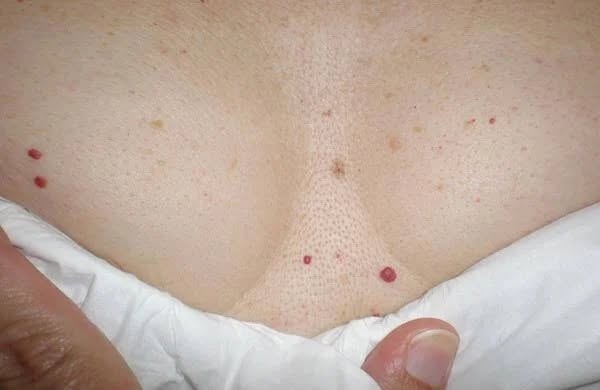
What Are the Red Spots That Appear on the Skin?
Red spots on the skin are common and can have many different causes. Some are harmless and temporary, while others may indicate an underlying medical condition. The appearance, size, location, and whether the spots are itchy, painful, raised, or flat can provide important clues.
Common Types of Red Spots
1. Skin Rash
A rash may appear as red, irritated, itchy, dry, or raised patches. Common causes include allergies, infections, eczema, and contact with irritating substances.
2. Petechiae
Petechiae are very small red, purple, or brown spots caused by tiny blood vessels leaking blood beneath the skin. They are usually flat and do not turn pale when pressed.
Petechiae can occur after intense coughing, vomiting, physical strain, certain medications, infections, or conditions affecting blood platelets or blood vessels.
3. Insect Bites
Mosquitoes and other insects can cause small, itchy, red bumps. These usually appear around exposed areas of skin and may improve within several days.
4. Allergic Reactions
Allergic reactions can produce red, raised, itchy areas known as hives. They may appear suddenly and can move from one part of the body to another.
5. Bruising
A small injury can damage blood vessels beneath the skin and produce red, purple, blue, or brown discoloration. Bruises generally change color as they heal.
When Should You Be Concerned?
You should seek medical advice if red spots:
- Appear suddenly without an obvious cause.
- Spread rapidly.
- Cover a large area of the body.
- Do not fade when gently pressed.
- Occur together with unusual bruising or bleeding.
- Are accompanied by fever, dizziness, confusion, or difficulty breathing.
Tiny non-blanching red or purple spots can occasionally be associated with serious infections or blood/platelet disorders, so they should not automatically be assumed to be a simple rash.
Final Thoughts
Red spots on the skin are a symptom rather than a diagnosis. Their cause can range from minor irritation or insect bites to conditions requiring medical treatment. If the spots are persistent, spreading, unexplained, or accompanied by other symptoms, a healthcare professional can examine them and determine the underlying cause.
Important: This information is for general education and cannot replace an examination by a qualified healthcare professional.